Thermography services with a practical question in mind
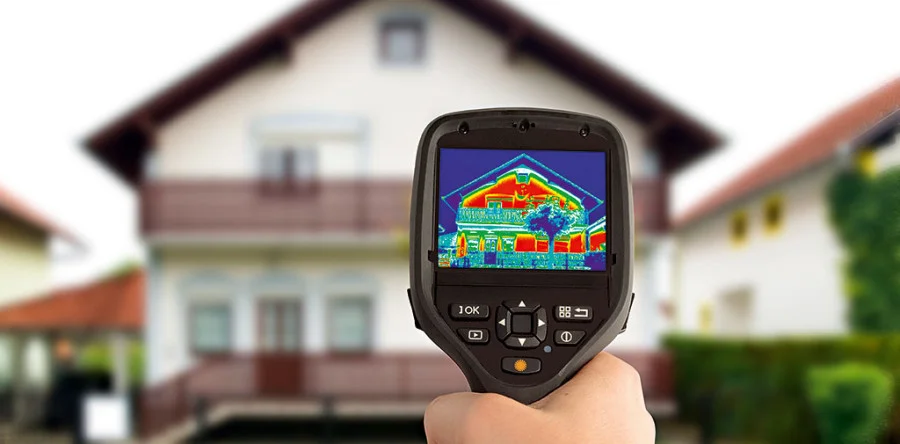
Thermography services in San Diego can add useful information to the evaluation of residential, commercial and industrial properties. PYCEM’s service offering includes infrared inspections. The starting point is the question you need to answer: an observed concern, a maintenance priority or a need for more information about selected areas of an installation.
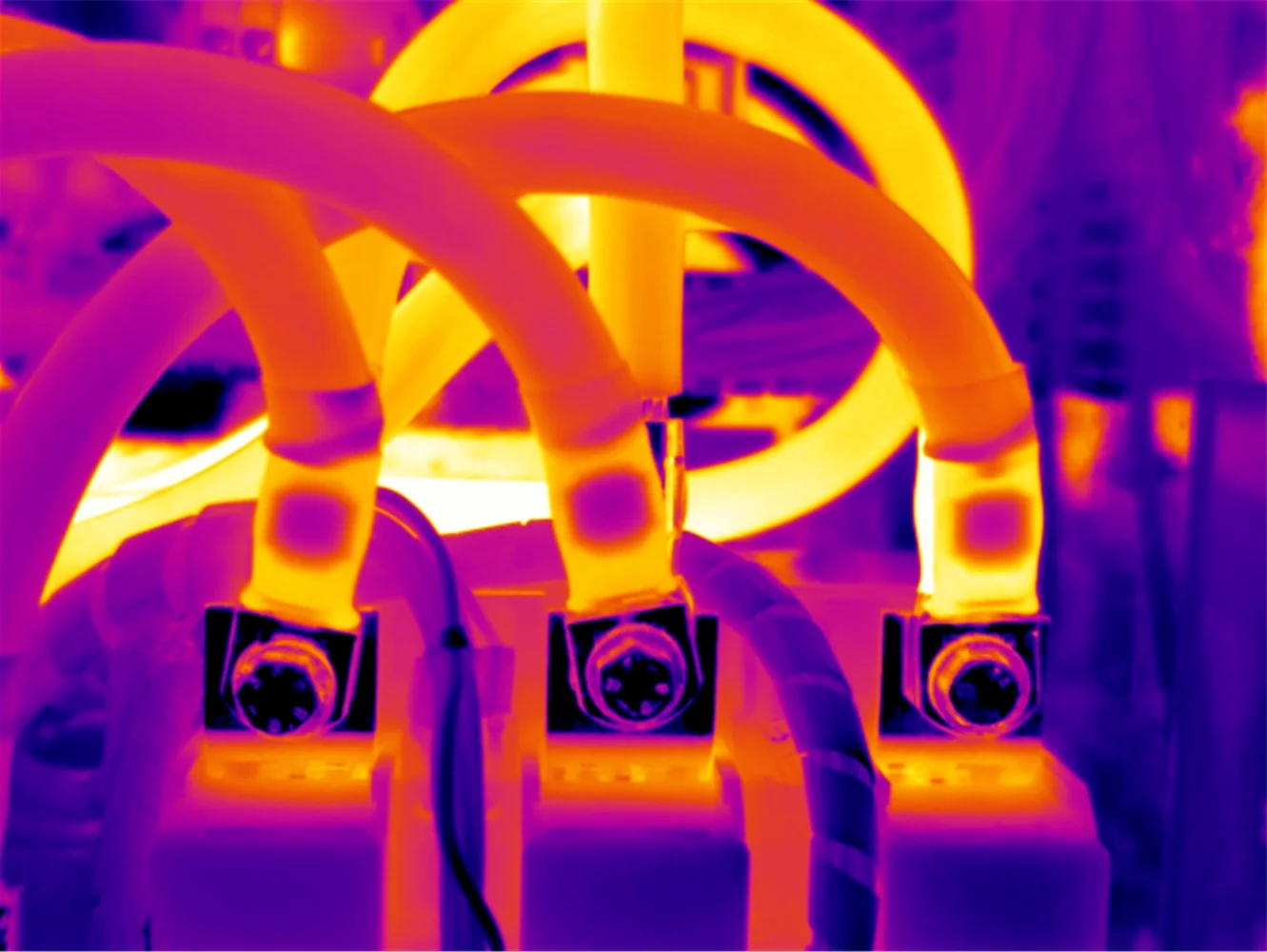
A thermal image represents patterns of infrared radiation from the surfaces observed. It can draw attention to differences that deserve closer evaluation, but the image alone is not a complete diagnosis. The operating conditions, the equipment and the way the observation was made influence what can reasonably be concluded. A useful inspection connects the image with its context.
Describe the concern before choosing the scope
Tell us what has been noticed, where it occurs and which equipment or spaces are involved. If you are planning maintenance, identify the assets or areas you want to discuss. Existing records can help establish a starting point. A general request to “check everything” is less useful than a defined objective and a clear understanding of access and limitations.
An initial conversation should also establish whether infrared inspection is appropriate for the question. Some issues require other evaluation methods or additional information. Thermography can contribute to the process without being treated as a universal answer. The proposed scope should make clear which observations are included and what remains outside the assessment.
An image becomes useful through interpretation
A bright area on a thermal display does not by itself identify a failed component. Different surface properties, reflections and operating conditions can influence the apparent pattern. Meaningful interpretation requires an understanding of what is being observed and the limitations of the method. Compare findings with the actual equipment and the conditions in which it was operating.
The results should distinguish observations from possible explanations and from conclusions supported by further assessment. That distinction helps a property owner or maintenance team decide what information is available and what still needs attention. It is more useful than treating every color difference as a confirmed defect.
Plan access and operating conditions
A property may need access coordinated with occupants, building management or operating personnel. Discuss those arrangements before the visit. Work involving electrical equipment must be planned and performed by appropriately qualified people using suitable procedures. Non-contact imaging does not remove the hazards associated with an electrical environment.
Clients should not open equipment, remove covers or approach exposed components to prepare a photograph or improve the view. Share existing documents and observations from safe locations. The inspection team must determine appropriate access and operating conditions as part of the work. If an area cannot be evaluated, that limitation should be recorded rather than silently treated as a satisfactory result.
Turn findings into a considered next step
An inspection is most valuable when its purpose and expected output have been discussed in advance. Ask how observations will be identified, what supporting context will be recorded and how limitations will be communicated. The level of detail should fit the assignment. The exact report format and any follow-up work should be part of the agreed scope.
For maintenance planning, an observation may lead to another evaluation, a repair discussion or a future comparison. The response depends on the equipment and the evidence available. A thermal image is not a guarantee that all issues have been found, and the absence of an unusual pattern does not establish the overall safety or condition of an installation.
What to include in your inquiry
- The property address and its residential, commercial or industrial use.
- The equipment, area or concern you want to discuss.
- Available drawings, previous reports or relevant operating information.
- Access restrictions and people who can coordinate a visit.
- The decision you hope the inspection will help you make.
PYCEM can discuss infrared inspections alongside electrical service and maintenance when the needs are connected. For a more detailed introduction to the technique, read our electrical thermography guide. Contact us to confirm availability and define the appropriate scope for your property in the San Diego area. The first step is a clear question; the next is an assessment matched to that question.